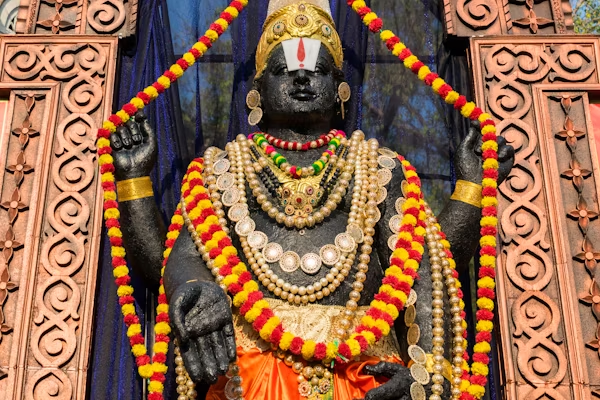
The Eternal Birthplace of Lord Shri Ram and the Spiritual Heart of India
Our tour to Ayodhya was more than just a journey — it was a soul-stirring pilgrimage into the heart of Sanatan Dharma and Indian civilization. As we stepped into this holy city, we were immediately immersed in a spiritual aura that felt timeless and divine. The recently inaugurated Shri Ram Janmabhoomi Mandir, a magnificent temple of unmatched architectural beauty and spiritual energy, stood as a proud symbol of devotion, unity, and India's eternal cultural identity.
Ayodhya, situated on the banks of the holy Sarayu River in Uttar Pradesh, is one of the most sacred cities in India. Known as the janmabhoomi (birthplace) of Lord Shri Ram, this ancient city holds immense religious, historical, and cultural significance for millions of Hindus. It is a divine destination where faith, devotion, heritage, and spirituality come together in perfect harmony.
The echo of mantras, the sight of saffron flags fluttering in the breeze, and the devotion in the eyes of thousands of pilgrims created an atmosphere that moved us deeply. We visited sacred places like Kanak Bhawan, Hanuman Garhi, and Nageshwarnath Temple, each narrating beautiful stories from the Ramayana and the life of Bhagwan Shri Ram. A serene walk along the Sarayu River Ghats, especially during the evening Aarti, was a divine experience — the reflection of hundreds of diyas on the flowing water, accompanied by the chants of “Shri Ram Jai Ram Jai Jai Ram,” felt like direct contact with divinity. The city's ancient lanes were filled with sadhus, temples, and the fragrance of incense, making every moment spiritually enriching. Ayodhya not only connects you to history and faith but also leaves a lasting impact on your soul, reminding you of the ideals of dharma, maryada (morality), and seva (service). It is truly a city of Ram Rajya — where devotion, peace, and divine culture live on eternally.